This is the first post in our Cyber Resilience in Service Management series. We’re exploring how ITSM practices help teams coordinate security-related work—from asset ownership and vulnerability remediation to change management and service recovery. We’ll start with what happens after a vulnerability scan, when teams need to turn a finding into a verified fix.
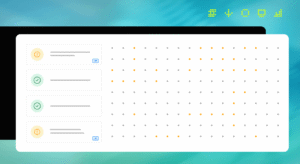
The Last Mile of Vulnerability Management: Why Remediation Breaks Down After the Scan
AI For DBAs: Internals and Architecture of LLMs
AI is moving quickly, and DBAs need practical context on what’s happening under the hood. This post is an overview of the LLM internals for DBAs covered in the session. In the article, database expert Kevin Kline looks at how large language models work at a practical level.
How To Create Database Alerts You Can Trust
Database Alerting Best Practices That Cut Alert Fatigue and Help DBAs Respond to What Matters
Most database teams don’t have an alerting problem. They have a trust problem. This post is an overview of the database alerting best practices covered in the session. In the article, database expert Kevin Kline looks at what makes a good alert and how to turn noise into signal. He also covers throttling, digests, escalation paths, and baselines, plus how SolarWinds tools support them. It doesn’t cover everything, so watch the on-demand webinar for the full walkthrough and demos.
Watch The Webinar On-Demand
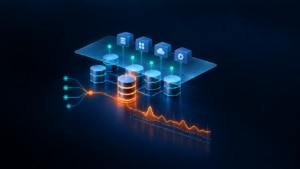
Q4 SolarWinds Database Webinars: From Hidden Problems to Clearer Answers.
Healthy dashboards don’t always tell the whole story. Our Q4 webinars help you uncover hidden database problems, understand what’s causing them, and decide what to do next.
Want to speak to an expert directly?
From Operator to Orchestrator: What Goal-Oriented AI Means for IT Leaders
AI’s biggest promise for IT isn’t another faster answer. It’s helping teams move from directing every step to defining the outcome, setting the guardrails, and focusing their expertise where judgment…
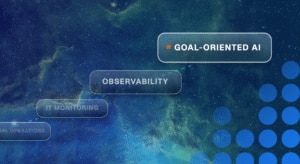
3 Stages to Evolve IT Operations With AI
IT environments have evolved. The way IT teams work hasn’t always kept pace. Based on our research, 80% of IT professionals say their roles are shifting from operator to orchestrator,…
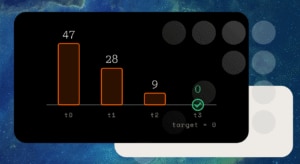
What Is Goal-Oriented AI for IT Teams?
Imagine if, instead of giving AI one instruction after another, you could tell it what you’re trying to achieve? That sounds like a small change in language. But it could…
Introducing Avior: Goal-oriented AI for IT operations
Set the goal. The agents do the work. You stay in control. IT operations teams are expected to manage increasingly complex hybrid environments with limited time and hard-to-fill expertise. Operators…
The Real Cost of ITSM: Why TCO Matters More Than License Price
When shopping for a service desk solution, the goal isn’t to find the lowest-cost platform in isolation. It’s to understand which option gives your team the strongest operational return for the effort and budget required. That is why ITSM total cost of ownership, or TCO, matters more than license price alone.
More Databases, Same Headcount? How AI-Driven RCA Helps DBAs Scale Database Coverage
Database estates keep growing, but DBA headcount rarely keeps pace. Our State of the Database Report shows DBAs now spend most of their week on reactive firefighting across three to five platforms per organization. Burnout is pushing experienced DBAs out of the role.
In this post, Kevin Kline breaks down the habits that let a single DBA scale coverage without adding headcount. These include treating database code as code, shifting SQL quality checks left, and layering in AI-driven anomaly detection.
A fun, detailed walkthrough in SolarWinds Database Performance Analyzer shows exactly how evidence-based root cause analysis turns a vague business complaint into a resolved problem in minutes.