IT environments have evolved. The way IT teams work hasn’t always kept pace. Based on our research, 80% of IT professionals say their roles are shifting from operator to orchestrator,…
3 Stages to Evolve IT Operations With AI
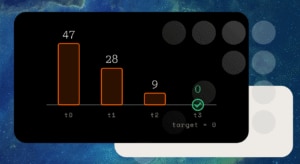
What Is Goal-Oriented AI for IT Teams?
Imagine if, instead of giving AI one instruction after another, you could tell it what you’re trying to achieve? That sounds like a small change in language. But it could…
Introducing Avior: Goal-oriented AI for IT operations
Set the goal. The agents do the work. You stay in control. IT operations teams are expected to manage increasingly complex hybrid environments with limited time and hard-to-fill expertise. Operators…

ITSM + ITOM: Why Your Service Desk and Monitoring Tools Shouldn’t Work in Silos
If your team already runs both a service desk and a monitoring stack, the problem usually isn’t a lack of visibility. It’s that the visibility you have doesn’t talk to the system that acts on it. …

When ITSM Meets IT Operations: How Integrated Visibility Reduces MTTR
Resolving incidents has become a team sport. Service desk analysts handle tickets, IT operations teams monitor infrastructure, and application owners monitor performance and user experience. The more complex the stack…

SolarWinds Service Desk System Requirements and Compatibility Matrix
When you shortlist an IT service management (ITSM) solution or tool, one of the first questions from your architects, security reviewers, and procurement team is predictable: “Will this work in our environment without…

How to Build Autonomous Operational Resilience in IT
Modern IT teams are being asked to do two hard things at once: keep services up and keep moving forward. They need better uptime, better visibility, and faster incident response,…

How Agentic AI Powers Hybrid and Multi‑Cloud Operations
Hybrid and multi‑cloud environments didn’t break operations—they simply outpaced the human ability to manage them. Gartner predicts that 90% of organizations will adopt a hybrid cloud approach through 2027, confirming that multi-vendor estates are now…

The Hidden Warning Signs Before Hybrid IT Outages (And How AI Finds Them)
Hybrid IT environments are the reality for most organizations today. Unfortunately, they’re also one of the biggest reasons outages are now harder to prevent. Between on-prem infrastructure, cloud services, SaaS…
How Agentic AI Improves Operational Resilience for SRE Teams
Modern SRE and platform teams are drowning in telemetry but still starved for actionable insight. Even with mature observability practices, outages continue to escalate because humans can no longer keep…