
This can be quite problematic for those without formal education, those who transferred from other industries, or even experienced personnel who’ve been misguided. This series intends to remove the cobwebs around terms and gain a clear understanding.
Understanding the Cloud: Myths and Reality
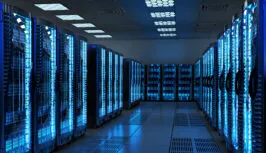
To kick us off, have you ever wondered what "the cloud" actually is? It feels like we’re constantly saving, sharing, and streaming things to it. It’s like a magical, invisible locker that holds our photos, emails, and cat videos. But what is this mythical place, and where do all our digital bits go? The truth is that the cloud isn’t in the sky; it’s just someone else’s computer. A very big, very powerful, and well-managed computer.
In practical terms, cloud computing is the on-demand availability of computer system resources—like processing power, data storage, and networking—without you having to manage them directly. Instead of buying your own physical servers and building a data center in your office or house (which, let’s be honest, would get pretty hot), you rent access to these resources from a provider over the internet.
Think of it like this:
- You cook at home: This is like traditional, on-premises computing. You’re responsible for everything—buying the groceries, owning all the pots and pans, processing the ingredients, and doing all the work. You have total control over the ingredients, but also total responsibility for the entire process.
- You eat at a restaurant: This is like cloud computing. You don’t own the kitchen or the ingredients; you just pay for the meal. The restaurant handles the cooking, the cleanup, and all the infrastructure. You just get to enjoy the food.
That’s the big idea. Now, let’s explore the different ways you can use this "restaurant" with the three main types of cloud services.
The Cloud as a Service Menu
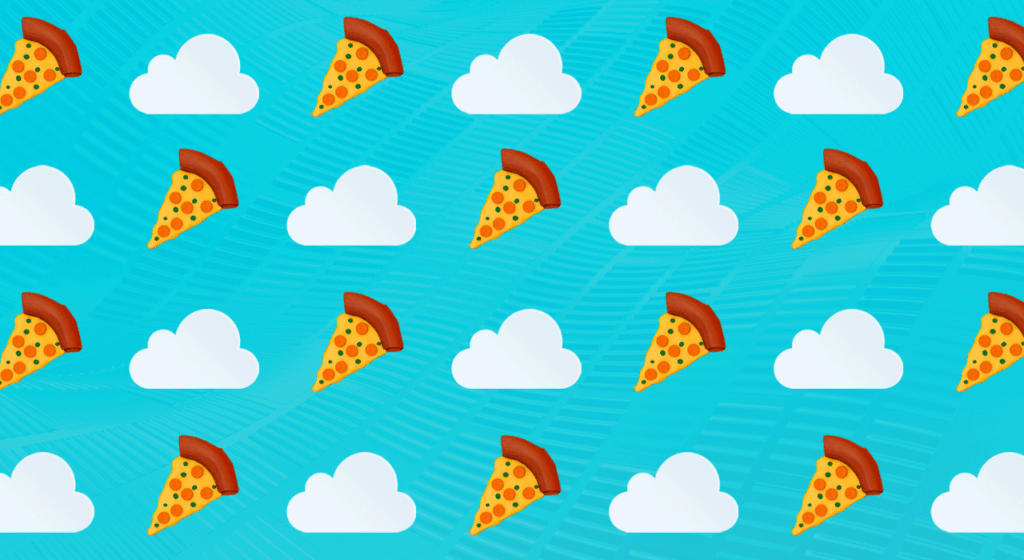
The cloud comes in different "flavors," known as service models. They are often compared to the steps of making and serving a pizza.
Software as a Service (SaaS)
This is the most common model and probably the one you use every day. SaaS means the provider delivers a finished software application to you over the internet. You don’t have to install or manage anything.
Pizza Analogy: Ordering a fully cooked, delivered pizza. You just eat it.
Real-World Examples: Gmail, Netflix, Dropbox, and Google Docs. You just sign in and use the service. The provider handles the servers, the software, and all the updates.
Platform as a Service (PaaS)
This model gives you a platform for building, testing, and running your own applications. The provider handles the underlying infrastructure (servers, storage, networking), and you focus on writing the code and managing your application.
Pizza Analogy: You get all the ingredients and the kitchen, but you make the pizza yourself.
Real-World Examples: Google App Engine and Heroku. Developers use these to build and deploy web applications without worrying about server management.
Infrastructure as a Service (IaaS)
This is the most fundamental and flexible cloud service. The provider gives you the basic building blocks, like virtual servers and storage, and you build everything from the ground up. You have the most control but also the most responsibility.
Pizza Analogy: You get the kitchen, the oven, and the raw ingredients, but you have to bring your own pots, pans, and recipes.
Real-World Examples: Amazon Web Services (AWS) EC2 and Google Cloud Compute Engine. Large organizations use IaaS to migrate their entire data centers to the cloud.
Cloud Concepts You Need to Know
Beyond the service models, a few other terms are key to understanding the cloud.
Cloud Storage
This is a specific function of the cloud: saving your digital files. Your photos, documents, and videos are uploaded to the provider’s servers, freeing up space on your phone or computer. It’s a lifesaver for anyone who has ever seen the dreaded "Storage Full" message.
Cloud Security
Who is responsible for keeping your data safe? The answer is both you and the provider. Providers like Google and Microsoft invest heavily in physical and digital security to protect their data centers. However, you are still responsible for your own data. This is often called the "shared responsibility model." Always use strong passwords and two-factor authentication, no matter who hosts your data.
The Lasting Impact of the Cloud
The cloud is a powerful resource that has changed how we use and interact with technology. In many ways, it has made computing more affordable, flexible, and accessible. So, the next time you stream a movie or share a document, you can smile, knowing exactly what’s going on behind the scenes in that big, invisible locker in the sky.
Curious how this series began? Head back to “Best Practices”: How I Hate Thee post, where we kick off our journey into demystifying everyday tech jargon.